
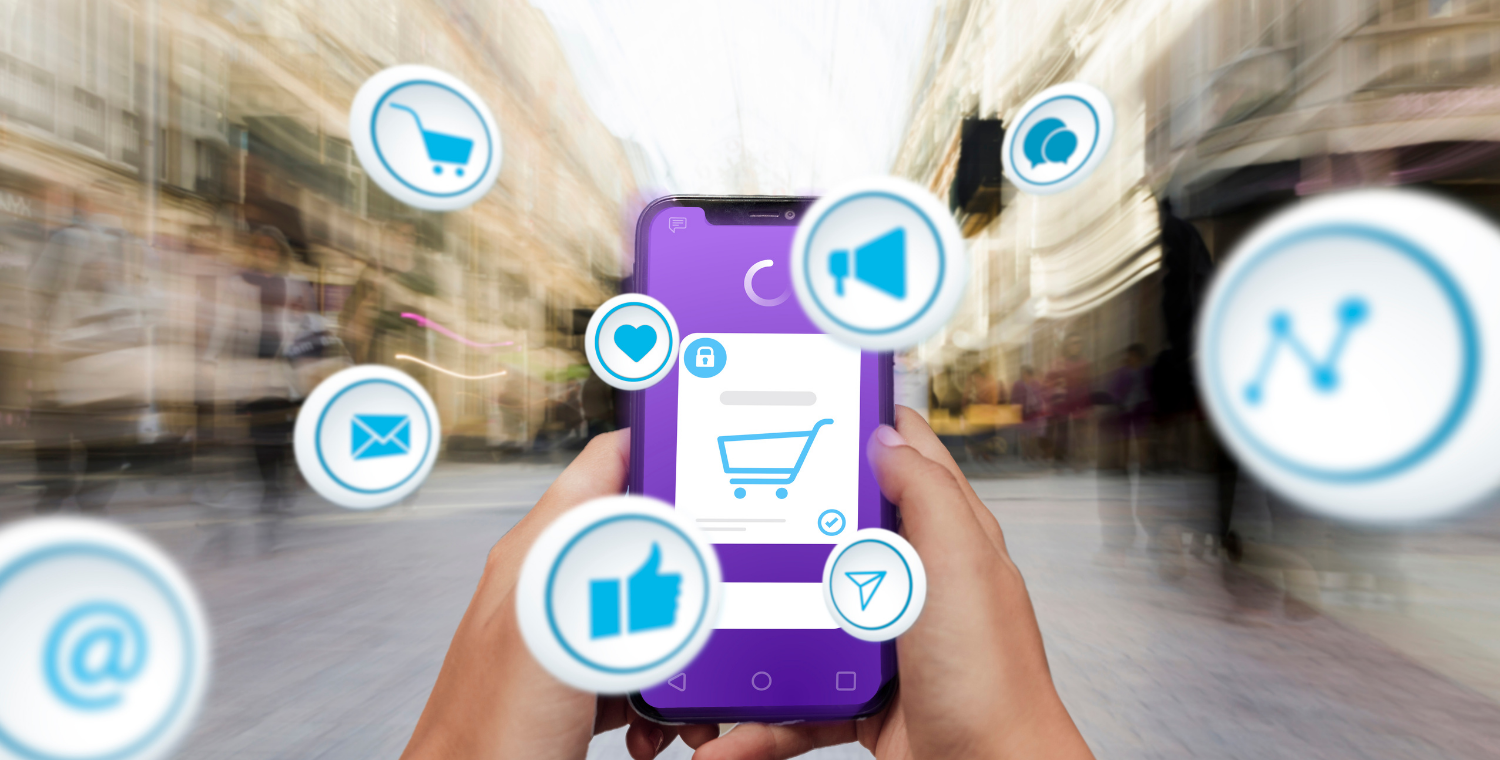
“Retail historically operated in two silos: the ‘Digital Store,’ defined by speed and personalization, and the ‘Physical Store,’ which remained largely slow and anonymous.” This “Omnichannel Gap” meant that a retailer might know exactly what a customer bought online but had no idea they spent 20 minutes staring at a shelf in-store without making a purchase. In an era where 80% of grocery sales still happen in person, this lack of real-time data has become the industry’s $100 billion bottleneck.
On March 17, 2026, Instacart and Shopify announced a massive infrastructure shift at NVIDIA GTC. By integrating NVIDIA Blackwell-powered cloud clusters with Jetson-powered Edge devices, they are deploying the first truly Unified Retail World Model. This move shifts retail away from static “e-commerce” and places it into a “Physical AI” environment where the store itself becomes a responsive, intelligent computer.
The Challenge: The “Shelf-Blindness” Bottleneck
Retailers traditionally rely on “Planograms”—static maps of where items should be. However, real-world stores are messy: items are misplaced, stock runs out, and customer paths are unpredictable. The “Data Gap” meant that by the time a manager noticed a shelf was empty, they had already lost hours of sales.
Instacart’s deployment solves this by creating a “Grocery World Model.” This system uses AI to “see” and “understand” the physical relationship between 1.3 billion data points, from real-time inventory levels to the exact 3D location of a shopping cart.
The Solution: The Blackwell-to-Jetson “Flywheel” Stack
The centerpiece of this deployment is a “Hybrid Brain.” Heavy reasoning and recommendation models run on Blackwell B200 GPUs in the cloud, while real-time sensor fusion happens at the edge on NVIDIA Jetson boards.
Key Technology Deployment Pillars
| Pillar | Technology Integrated | Primary Function |
| Edge Compute | NVIDIA Jetson (Caper Carts) | Processes weight, vision, and location sensors on the cart in real-time. |
| Core Compute | NVIDIA Blackwell B200 GPUs | Powers the “Recommendation Engine” that explains why it suggests an item. |
| Orchestration | NVIDIA Dynamo-Triton | Manages the ranking of millions of items for retail media and search. |
| Connectivity | 5G Standalone (AI-RAN) | Ensures the carts stay connected with <10ms latency across massive warehouses. |
Phase 1: Deploying the “Smart Cart” Strategy
The first phase focuses on the Frictionless In-Store Experience. Instacart has deployed “Caper Carts”—smart shopping carts—across hundreds of locations including Kroger and Wegmans.
- The Use Case: A shopper adds pasta and sauce to their cart.
- The Action: The Jetson-powered cart identifies the items via computer vision. The Blackwell-powered cloud then pushes a “Personalized Deal” for parmesan cheese directly to the cart’s screen based on the shopper’s loyalty history.
- The Result: This “Point-of-Decision” personalization has driven a 1 percentage point lift in average basket size.
Phase 2: Solving the “Inventory Gap” with AI Agents
The second phase deploys Agentic Inventory Management. Instead of manual stock takes, the smart carts act as “Mobile Sensors” that map the store as they move.
- The Action: As carts move through the aisles, they update the “Digital Twin” of the store’s shelves every hour.
- The Result: Retailers now have a near 99% accurate view of shelf conditions, reducing “out-of-stock” incidents by 30% without hiring additional staff.
Operational Impact of Retail AI Deployment (2026 Metrics)
| Metric | Legacy Retail (2024) | Blackwell-Powered Unified Retail |
| Inventory Accuracy | 65–70% (Manual) | 98%+ (Autonomous / Real-Time) |
| Customer Engagement | < 5 Minutes (Digital) | 30+ Minutes (In-Store Active) |
| Ad Click-Through | Standard (Banners) | 5% Increase (Contextual Recommendations) |
| Inference Cost | High per-request | 10x Lower (using Blackwell MoE) |
Phase 3: The “Sovereign Shopping” Advantage
With 90% of retailers increasing AI budgets in 2026, data privacy has become a competitive battleground. By using Shopify’s Blackwell-powered inference pods, small and medium merchants can now access the same “Big Data” reasoning as Amazon, but with Data Sovereignty. The AI “reasons” about recommendations locally, ensuring that a boutique’s customer data isn’t used to train a competitor’s model.
The Results: A New Paradigm for the Wallet
The shift from “Store Management” to “Experience Orchestration” is redefining the ROI of physical space.
- Deployment Success Summary:
- Revenue Lift: AI-driven “Cart Assistant” chatbots have led to a 5.5% increase in retail media revenue.
- Employee Satisfaction: Automated drive-thru and checkout systems have reduced employee turnover by removing repetitive manual tasks.
- Frictionless Flow: “Scan-less” checkout via Caper Carts has reduced front-end congestion by 40%.
Conclusion: The End of the “Blind” Retailer
The deployment of NVIDIA Blackwell and Jetson across the Instacart and Shopify ecosystems marks the end of the “Static Store” era. By bringing the world’s most advanced AI hardware to the shopping handle and the retail cloud, these companies are ensuring that the store isn’t just a place to buy things—it’s an intelligent partner. In the future of Retail, the winner won’t just be the one with the lowest prices, but the one who understands the shopper’s intent in the exact moment they reach for the shelf.