
The era of the ‘basic’ soldier is over. The physical boundaries of human infantry have been shattered by high-tech performance enhancements. We have transitioned from an era of “light infantry” to the age of Strength Augmentation and Sensory Fusing. In 2026, the individual soldier is no longer just a rifleman; they are a high-performance node within an integrated combat system, equipped with wearable technology that bridges the gap between biological endurance and mechanical power.
The Exoskeleton Integration and the Load-Bearing Breakthrough
The most visible shift on the 2026 battlefield is the widespread adoption of military exoskeletons, a market that has officially surpassed a critical $201 million valuation as hardware matures into field-ready gear. Modern infantry forces traditionally carry gear weighing over 50kg, which previously led to chronic fatigue and musculoskeletal failure. The 2026 suite of battery-powered actuators and pneumatic “muscles” now alleviates this physical burden, allowing soldiers to march longer distances and reach objectives with minimal exhaustion. Advanced models featuring powered knee and hip joints are specifically designed for navigating stairs and rugged terrain, transforming small mobile units into independent operators capable of sustaining combat for durations that were previously physically impossible.
Supervisory Command and the Human-Machine Tactical Link
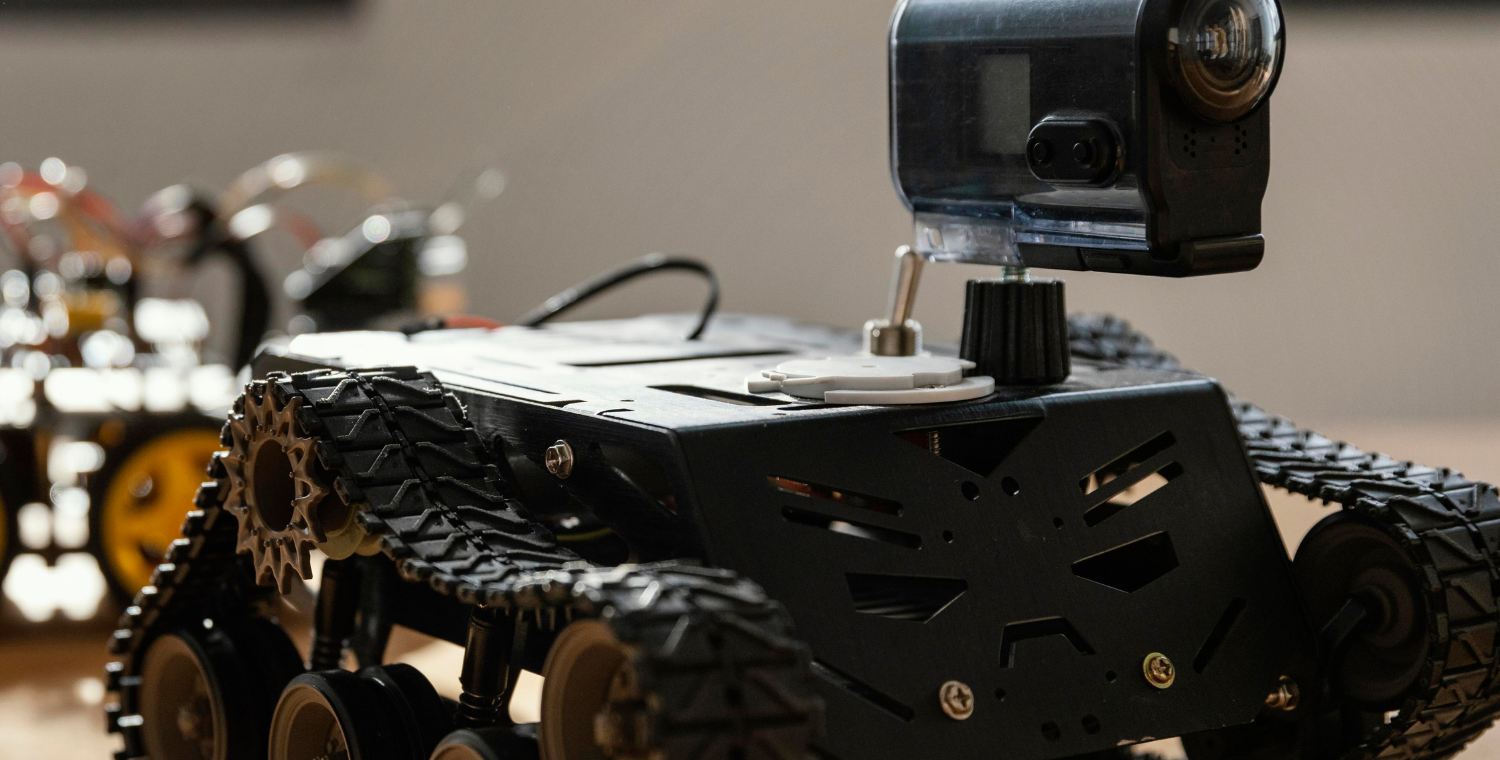
In 2026, the role of the soldier has evolved from a manual operator to a Battlefield Supervisor. AI-enabled digital assistants are now embedded directly into tactical gear, anticipating operator intent and suggesting response options during high-tempo engagements. These agentic systems manage the decision-making cycle at machine speed, drastically reducing the cognitive load on the human operator. Simultaneously, Uncrewed Ground Vehicles (UGVs) and drone swarms work collaboratively with infantry squads, sharing data and adapting to threats even in communication-denied zones. These autonomous systems act as scouts and “attritable” assets, absorbing risk to increase the survivability of the human team.
Quantum Detection and the Obsolescence of Stealth
A major technological milestone reached in April 2026 is the deployment of Quantum Sensors based on nitrogen-vacancy (NV) centers in diamonds. These sensors measure static magnetic fields with extreme precision at room temperature, allowing for the detection of metallic objects like hidden vehicles or buried mines with high spatial resolution from a distance. Quantum sensing is also being utilized for broadband, real-time RF signal analysis, giving militaries the ability to intercept and characterize complex, agile RADAR and communication signals. This provides an unprecedented advantage in Electronic Warfare (EW) and signal intelligence, effectively ending the era of traditional stealth.
Commercial-First Defense and Distributed Lethality
Following the trend of “commercial-first” mandates, 2026 has seen the rise of Commercial-Off-The-Shelf (COTS) defense applications. Governments are increasingly prioritizing “good enough” commercial solutions—such as cloud services and dual-use hardware—over slow-moving, traditional procurement cycles. This shift allows for the rapid digitization of everything from logistics to troop movements. By utilizing open architectures and “plug-and-play” designs, small units can now rapidly integrate new sensors and payloads locally. This distributed approach makes it harder for adversaries to target a single “center of gravity,” as military lethality is now spread across a vast, resilient network of combined commercial and military tech.
Zero Trust Security and the Post-Quantum Perimeter
With quantum computing racing toward practical use, the U.S. and its allies have implemented Zero Trust Architecture (ZTA) as the standard for 2026 mission readiness. The network no longer relies on a physical perimeter; instead, every user, device, and data flow is continuously validated to ensure that even if a tactical link is compromised, the broader system remains secure. Furthermore, defense contractors are now required to integrate Post-Quantum Cryptography (PQC) algorithms into all major platform upgrades. This transition ensures that today’s sensitive communications remain secure even against the future threat of quantum-powered decryption, securing the digital frontline for the next decade.