
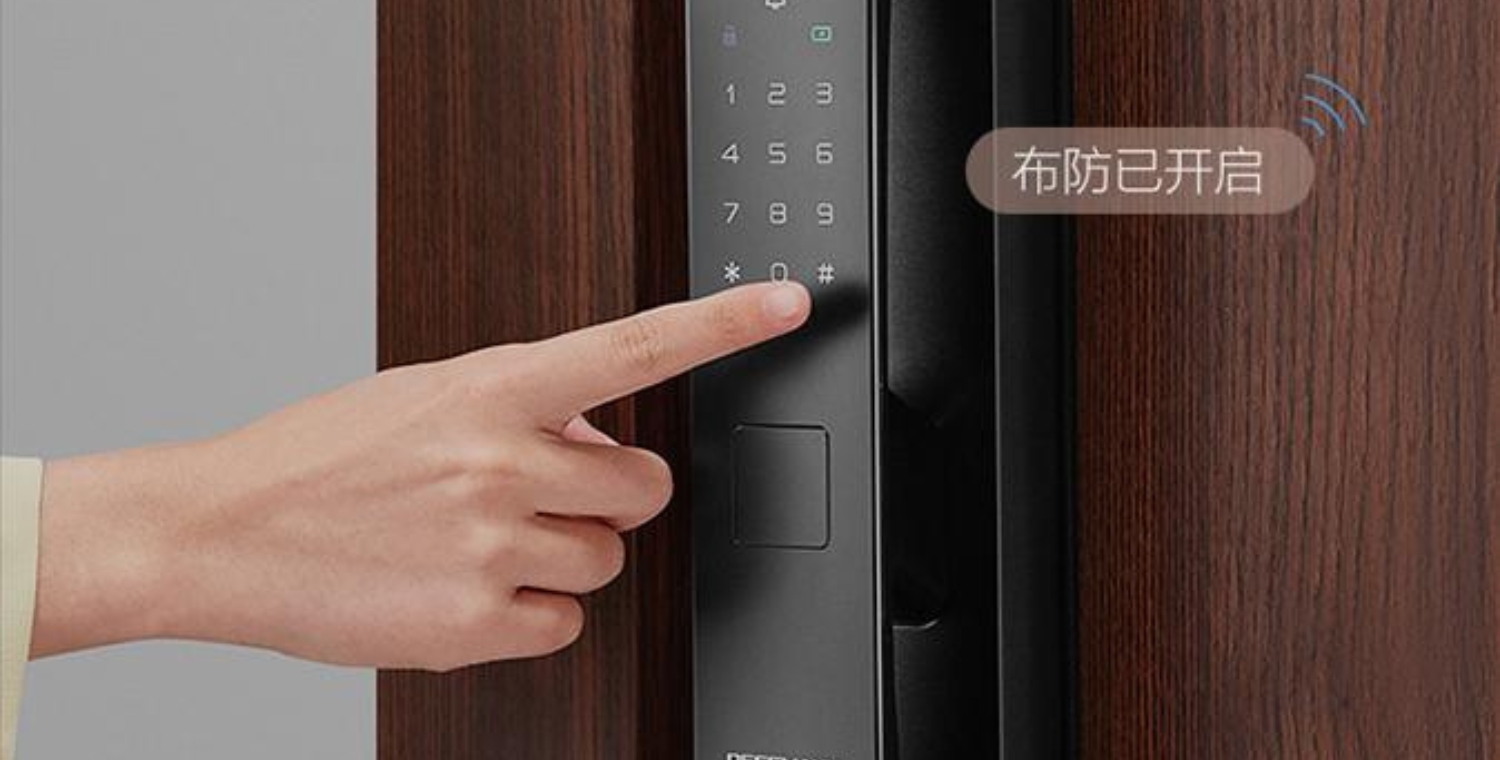
Smart homes have been evolving for years. Lights can be controlled through phones, thermostats learn our preferences, and security cameras monitor our homes remotely. But a new development in the smart home ecosystem suggests something deeper is happening—our homes are starting to understand us.
A recent launch by the smart lock company DESMAN highlights this shift. Instead of treating smart locks as simple security devices, the company introduced a new generation of AI-powered locks designed to act more like intelligent assistants at the entrance of a home. These devices include features such as AI-based recognition, behavioral analysis, and personalized interaction systems. (36Kr)
At first glance, it might sound like another gadget upgrade. But in reality, it reflects a broader transformation in how we think about technology inside our homes.
From Security Tool to Digital Companion
Traditionally, door locks have had a single purpose: keeping people out. Even early smart locks mainly focused on convenience—allowing homeowners to unlock doors using apps, fingerprints, or passcodes.
But the new generation of AI locks is trying to go further.
For example, modern systems can analyze activity outside the door, recognize familiar visitors, and identify delivery personnel or suspicious behavior. Instead of simply recording footage or sending alerts, AI systems attempt to interpret what is happening and respond intelligently.
This represents a significant change. Security devices are moving from passive protection to active awareness.
Your door is no longer just locked—it is observing, analyzing, and responding.
The Smart Door as the “Gateway” of the Home
One interesting idea emerging from these innovations is the concept of the door as the control point of the entire home ecosystem.
Think about it: almost every physical interaction with a house begins at the entrance. Family members return home, packages arrive, visitors knock, and deliveries are left outside.
AI-powered locks are trying to transform this everyday moment into a smart interaction.
Some systems can automatically detect deliveries and notify homeowners at the right time to collect them. Others create visitor profiles or track repeated activity near the entrance to improve security awareness. (36Kr)
In the future, the front door could become something like a smart checkpoint for the entire household—monitoring activity, managing access, and connecting with other smart devices inside the home.
Personalization Enters Home Security
Perhaps the most surprising element of this new wave of smart locks is the attempt to add emotional interaction to security devices.
Some AI systems allow personalized greetings, voice customization, or daily summaries of activity at the door. The idea is to make technology feel less mechanical and more integrated into daily life.
This reflects a larger trend in consumer technology. Devices are no longer designed only for efficiency—they are increasingly designed to feel human-centered.
For instance, certain smart lock models are being tailored to specific groups such as elderly users, offering features like simplified interfaces, facial recognition designed for aging faces, and remote monitoring for family members. (36Kr)
Technology, in this sense, is shifting from being purely functional to being supportive and adaptive to human needs.
The Growing Intelligence of Everyday Objects
What makes this development fascinating is that it shows how AI is quietly spreading into ordinary household objects.
Not long ago, artificial intelligence was associated mostly with research labs or powerful computing systems. Today, it is appearing in devices as simple as door locks.
These systems use sensors, cameras, and machine learning algorithms to interpret human activity. Over time, they can learn patterns of behavior—who usually arrives home at certain hours, which visitors are frequent, and what activity might indicate risk.
In essence, the door becomes a small but intelligent decision-making system.
And this is just the beginning.
The Privacy Question
Of course, the rise of AI-powered home security also raises important questions.
Devices that monitor entrances, recognize faces, and analyze behavior collect large amounts of sensitive data. While these technologies promise greater safety and convenience, they also require strong privacy protections.
Users must trust that their personal data, visitor information, and household patterns are securely managed.
Without that trust, even the most advanced smart home technology could face resistance.
A Glimpse of the AI Home
Despite these concerns, the direction of innovation seems clear. Smart homes are evolving from collections of connected devices into integrated intelligent environments.
The door lock—one of the oldest tools in human history—is now being reinvented with artificial intelligence.
What was once a simple piece of metal is becoming a digital gatekeeper capable of recognizing faces, understanding situations, and interacting with homeowners.
If this trend continues, the future home may not just be smart.
It may be aware—starting with the very first thing you touch when you arrive home: the door.