
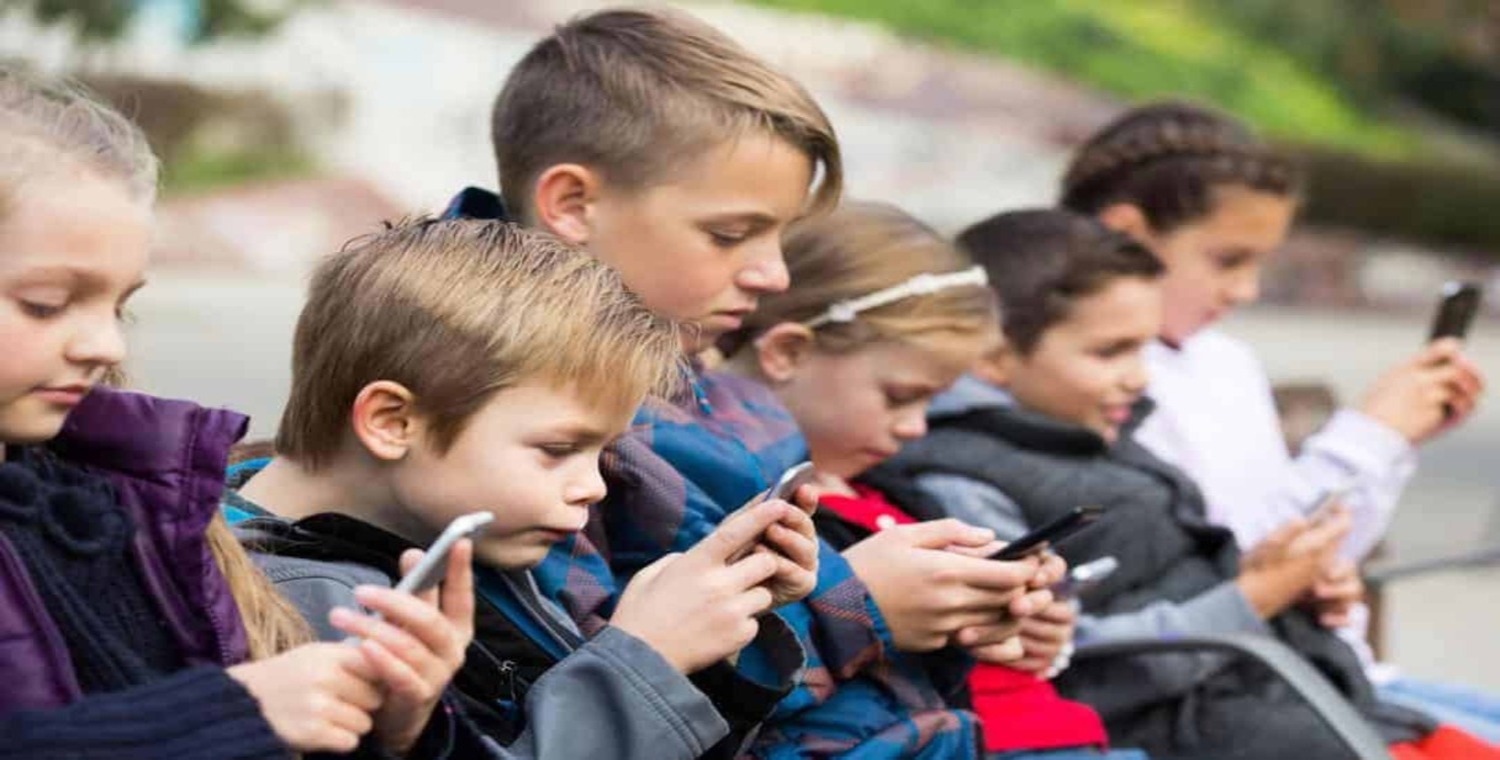
The United States is grappling with a difficult set of questions about children, technology, and harm. Those questions have sharpened considerably in 2026 as a wave of legal, legislative, and academic attention converges on the psychological and developmental consequences of children’s exposure to AI systems and social media platforms.
The most high-profile development is a lawsuit scheduled for trial in November 2026, brought by the family of a teenager who died by suicide. The family alleges that interactions with an OpenAI chatbot contributed to their child’s deteriorating mental state. Legal analysts say the case could establish important precedents regarding AI company liability for harm to vulnerable users.
What the Research Shows
Academic literature on the relationship between social media use and adolescent mental health has grown substantially over the past several years. Studies consistently identify associations between heavy platform use and increased rates of anxiety, depression, and social comparison, particularly among teenage girls. Whether these associations reflect causation, and the precise mechanisms involved, remain subjects of active research and debate.
The specific question of AI chatbots is newer and less well understood. Early research suggests that some users, particularly those who are lonely, isolated, or already experiencing mental health challenges, may form parasocial attachments to AI systems that can complicate rather than support their wellbeing.
The Regulatory Response
Congress has advanced several pieces of legislation targeting children’s online safety, though none has achieved the comprehensive scope that advocates say is needed. The social media regulation debate has intensified, with growing calls for frameworks that mandate age verification, limit algorithmic recommendations for minors, and create stronger liability for platforms whose design choices foreseeably cause harm.
California has been among the most active states, pursuing legislation that would require platforms to meet a ‘best interests of the child’ standard when designing products used by minors — a principle drawn from child welfare law and applied to digital environments.
Long-term, how will toddlers who learn empathy from sycophantic bots rather than people develop the mutual empathic curiosity crucial for successful human relationships? — UC Berkeley Researcher
The Longer-Horizon Question
Developmental psychologists and AI researchers are raising a more fundamental question. As AI-powered companions, tutors, and social interfaces become more sophisticated and embedded in daily childhood experience, how will growing up alongside these systems shape emotional development, empathy, and the capacity for human relationship?
UC Berkeley researchers have framed this as one of the defining open questions of the decade: whether children who learn social interaction partly through AI systems will develop differently in ways that are difficult to measure and perhaps irreversible.
What Comes Next
The November trial will draw significant public and media attention. How courts respond to the question of AI company liability for harm to minors could reshape the entire legal landscape for AI products. Legislative activity is likely to accelerate at both the state and federal levels, with the 2026 midterms giving candidates additional incentive to take visible positions on digital safety for children.