
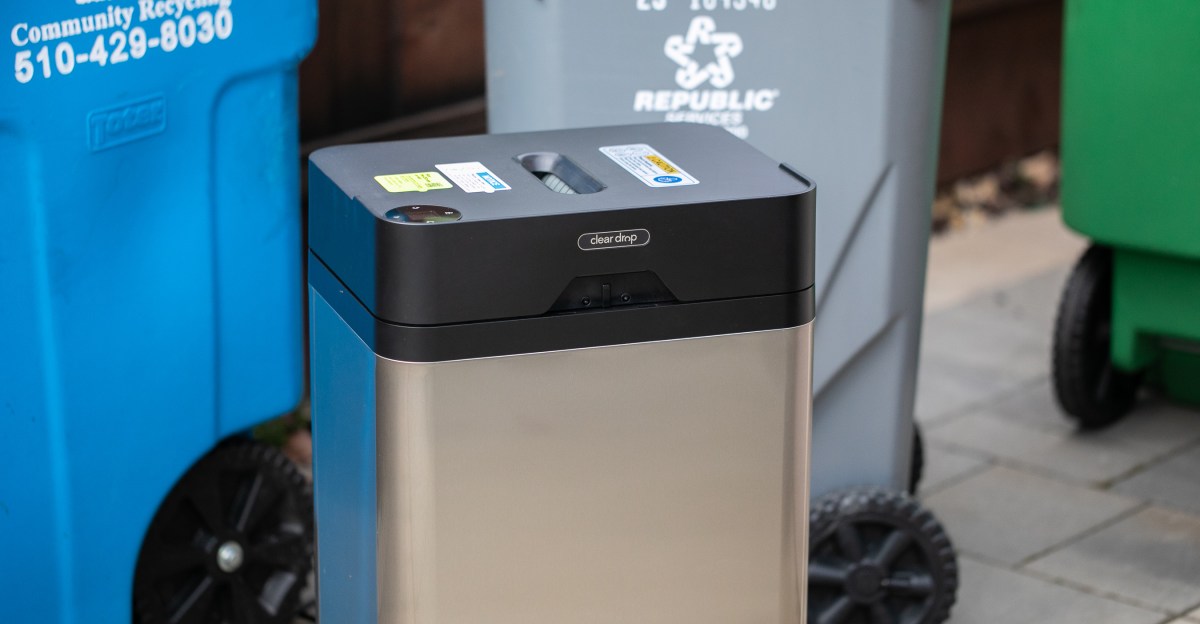
In a world grappling with a plastic waste crisis, a new contender has entered the ring: a 61-pound machine that promises to transform your household’s soft plastic problem into a tangible solution. The Clear Drop Soft Plastic Compactor (SPC), a device reminiscent of the beloved trash-compacting robot Wall-E, is designed to eat your plastic bags, mailers, and food packaging, and in return, give you dense, 3-pound bricks. This innovative gadget aims to tackle one of the most persistent challenges in recycling, offering a glimmer of hope for the eco-conscious consumer.
The Soft Plastic Problem: A Sticky Situation for Recyclers
For years, soft plastics—the flimsy films, bags, and wrappers that constitute a significant portion of household waste—have been the bane of recycling facilities. Unlike rigid plastics, these materials are notoriously difficult to process. They get tangled in sorting machinery, causing costly shutdowns and contaminating other recyclable materials. As a result, most curbside recycling programs do not accept them, and a staggering amount of soft plastic ends up in landfills, or worse, in our oceans and natural landscapes.
This is where the Clear Drop SPC steps in. The machine is designed to be a bridge between the consumer’s desire to recycle and the logistical nightmare faced by recycling centers. By compacting and slightly melting the plastic, it creates uniform, dense bricks that are far easier to handle, transport, and process. The company’s vision is to create a closed-loop system where this otherwise unrecyclable waste is given a new life.
From Fluff to Brick: How the Clear Drop Works
The process is deceptively simple. Users feed their clean, dry soft plastics into a slot on the top of the machine. The internal mechanism then whirs to life, using a combination of heat and pressure to compress the plastic into a solid block. Over time, as more plastic is added, a 3-pound brick is formed and ejected from the machine. The user then places this brick into a pre-paid shipping bag provided by Clear Drop and sends it off via the US Postal Service to one of the company’s recycling partners.
This system not only addresses the issue of sorting and contamination at recycling facilities but also tackles the problem of storage and transportation. The dense bricks take up significantly less space than loose plastic bags, making them more efficient to ship and handle. For the user, it offers a tangible sense of accomplishment—a physical representation of the waste they have diverted from landfills.
The Promise of a Second Life: Downcycling into Durable Goods
So, what happens to these plastic bricks? Clear Drop has partnered with specialized recycling companies that can process these compacted plastics into a variety of new products. The primary application is in the manufacturing of durable goods such as composite lumber for outdoor decking, park benches, and fencing. This process, known as downcycling, transforms low-value plastic waste into long-lasting, functional items.
While downcycling is not a perfect solution—the plastic is not infinitely recyclable and is often made into products that are themselves difficult to recycle—it represents a significant improvement over landfilling. By creating a market for this problematic waste stream, Clear Drop is incentivizing its collection and reuse, a crucial step towards a more circular economy. The company emphasizes that every brick sent back contributes to reducing landfill waste and preventing microplastic pollution.
Is It Worth It? The Verdict on the Plastic-Eating Robot
The Clear Drop Soft Plastic Compactor is an intriguing and ambitious solution to a complex problem. For the environmentally conscious consumer, it offers a way to take direct action on plastic waste, reducing the guilt associated with online shopping and single-use packaging. The machine’s design is sleek and modern, and the process is straightforward, making it an attractive addition to a tech-savvy household.
However, the long-term success of the Clear Drop system hinges on several factors. The efficiency and environmental impact of shipping the bricks to recycling partners, the scalability of the downcycling process, and the overall cost-effectiveness of the machine for the average consumer will all play a role in its ultimate viability. While it may not be the silver bullet that solves the plastic crisis overnight, the Clear Drop SPC represents a significant step forward in our collective effort to manage waste more responsibly. It is a testament to the power of innovation to turn a seemingly intractable problem into an opportunity for a cleaner, more sustainable future.
References
[2] “This CES Company’s Trash Cans Mash Your Cast-Off …” CNET,
[3] “Real Products Made From Recycled Soft Plastics (and How …” Clear Drop,